
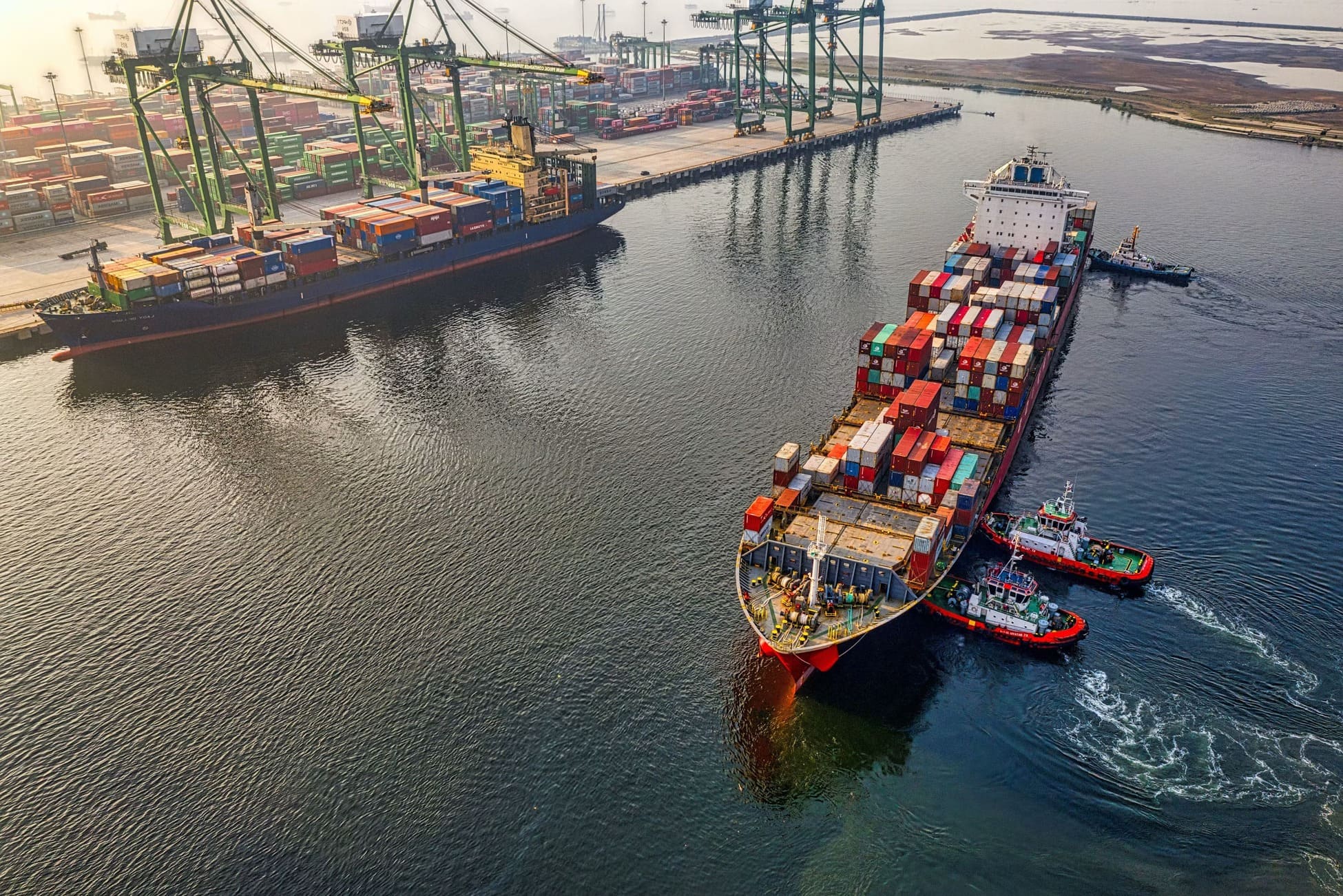
Importers can reduce demurrage and detention fees by tracking free time closely, confirming container availability before dispatch, preparing warehouses in advance, and coordinating port and rail moves with a reliable drayage provider. The biggest savings usually come from preventing delays before they start rather than disputing charges after they appear. MB Rail helps businesses coordinate container movements, appointments, and transportation so freight spends less unnecessary time sitting at terminals.
What Are Demurrage and Detention Charges?
Demurrage and detention are container-related charges that apply when equipment remains in a customer’s possession or at a terminal beyond the time allowed by the applicable carrier or terminal terms. The exact rules, free-time periods, rates, and billing practices vary by carrier, terminal, shipment, and contract.
Demurrage generally refers to charges associated with a container remaining at a marine terminal beyond its permitted free time. For example, an import container may be discharged from a vessel but remain at the terminal after its free days expire. Storage-related charges can then begin accumulating.
Detention generally concerns the use of the carrier’s container outside the terminal beyond the permitted free time. A container that has been picked up but is not returned within the agreed period can generate detention charges.
The detention and demurrage difference matters because the two charges occur at different stages of container movement. Demurrage is commonly associated with terminal dwell, while detention generally relates to the time a container remains outside the terminal before being returned.
For importers and operations managers, knowing the distinction is only the first step. The real objective is controlling the clock throughout the shipment.
Why These Fees Add Up So Quickly
A container can move through several parties before it reaches its final destination. The ocean carrier, terminal, customs process, drayage provider, rail ramp, warehouse, and consignee may all influence how quickly the container moves.
A delay at one point can affect every stage that follows.
For example, a container may be discharged from a vessel, but customs clearance is not complete. A truck cannot legally collect it. The free-time clock continues to run. Once the release is available, the terminal may have limited appointment availability. By the time a truck can retrieve the container, several free days may already have disappeared.
The same problem can occur at a rail ramp. A container may arrive before the receiving facility has dock space, labor, or unloading capacity. Holding the container longer than planned can increase exposure to additional charges.
The solution is not simply moving trucks faster. It is managing the entire sequence.
Build a Free-Time Calendar for Every Container
One of the simplest ways to reduce unexpected charges is to maintain a shipment-level calendar showing the dates that matter.
Record the container’s discharge date, last free day, availability date, appointment date, pickup date, delivery date, and empty-return deadline. Keep carrier and terminal instructions alongside those dates so operations staff can verify the applicable rules.
Do not rely on a single estimated delivery date. Free time can vary by carrier, terminal, equipment type, service agreement, and shipment circumstances.
A practical tracking system should flag containers approaching their last free day before they become urgent. Giving operations staff advance notice creates room to solve problems such as missing releases, unavailable appointments, warehouse congestion, or equipment shortages.
Confirm Container Availability Before Sending a Truck
Sending a truck to a terminal before a container is actually available can create wasted trips, driver waiting time, missed appointments, and further scheduling problems.
Before dispatch, verify the container’s current status. Confirm that the container has been discharged, released for pickup, cleared for movement, and available at the correct terminal or rail ramp.
Terminal status information can change throughout the day, so relying on an old update can create unnecessary risk.
Effective port drayage services depend on this kind of coordination. The goal is to match the truck appointment with the actual status of the container, rather than sending equipment based only on an estimated arrival.
Prepare the Warehouse Before the Container Arrives
A container is not truly moving through the supply chain if it is simply transferred from one waiting location to another.
Warehouse readiness should be part of the drayage schedule. Before a pickup is arranged, confirm that the receiving facility has dock availability, unloading labor, operating hours, and the equipment needed to handle the shipment.
For importers dealing with high container volumes, warehouse congestion can become a major source of detention exposure. A truck may successfully collect the container from the terminal, but the container then sits at the customer’s facility because there is nowhere to unload it.
That creates a costly gap between pickup and empty return.
A better process connects terminal availability with warehouse capacity. The pickup should be planned around the receiving operation, not treated as an isolated transportation event.
Keep Customs and Documentation Moving
Documentation problems can consume valuable free time.
Before scheduling a pickup, verify that the required customs release, delivery instructions, booking information, and terminal documentation are complete. The exact documentation required depends on the shipment and transportation providers involved.
A container that cannot legally or operationally move is still consuming time.
Create a standard pre-dispatch check for every import container. This gives operations teams a repeatable process instead of relying on individual memory or last-minute communication.
Documentation should also be checked when containers move between ports, rail ramps, transload facilities, and warehouses. A small administrative error can delay an otherwise ready shipment.
Plan Chassis and Equipment Before Pickup
Equipment availability can determine whether a container moves on schedule.
A truck may be available, but the required chassis may not be. In some markets, chassis availability, interchange rules, equipment condition, or terminal procedures can affect pickup timing.
Operations teams should know which equipment is required for each move and confirm availability before the appointment. They should also understand the empty-return requirements before the container is picked up.
This prevents a common problem: collecting a loaded container without having a clear plan for delivery and empty return.
Equipment planning is especially useful during periods of heavy terminal activity, when delays can quickly affect multiple shipments.
Coordinate Port, Rail, and Warehouse Appointments
A container journey often involves several appointments. Each one needs to support the next.
For a port-to-rail movement, the drayage appointment needs to align with terminal availability and the rail schedule. For a rail-to-warehouse move, the pickup should match the rail ramp release and the warehouse receiving window.
Poor coordination can leave containers sitting between transportation stages.
A reliable container drayage company should understand these connections and communicate changes quickly. Strong port, rail, and warehouse drayage coordination helps keep each stage of the shipment aligned with the next. Local terminal knowledge also matters because operating procedures, appointment systems, traffic patterns, and equipment conditions can differ from one facility to another.
Use Transloading When It Reduces Container Dwell
Some shipments do not need to remain in their original ocean container after reaching a port or rail facility.
Transloading can move cargo from an international container into domestic equipment, allowing the container to be returned sooner. It can also support consolidation, shipment separation, product sorting, and regional distribution.
This does not mean transloading is appropriate for every shipment. The decision depends on cargo characteristics, warehouse requirements, transportation costs, delivery schedules, and available facilities.
The distinction between drayage and transloading is useful here. Drayage moves the container between locations while the cargo generally remains inside it. Transloading involves unloading the cargo and transferring it into another container or transportation unit. Understanding drayage and transloading for freight can help importers select the right service for a particular shipment.
For shipments that need cargo handling or a change in transportation equipment, the two services can work together. Understanding which option fits your freight can help you choose the right combination of transportation and cargo-handling services after the shipment reaches a port or rail terminal.
Create an Escalation Plan Before a Container Becomes Late
A strong fee-prevention process needs more than tracking. It needs clear action points.
Set internal alerts for containers approaching their last free day. Assign responsibility for reviewing those alerts and define who must be contacted when a shipment is at risk.
For example, an operations team might escalate a container when:
- The container is unavailable close to its planned pickup date.
- The warehouse cannot accept the container within the remaining free time.
- An appointment is unavailable before the last free day.
- An empty return cannot be completed within the permitted period.
The exact thresholds should reflect the carrier’s terms and the company’s operating requirements.
Early escalation gives a logistics provider more options. Waiting until the final free day often leaves little room to correct a problem.
Review Charges Instead of Treating Them as Normal
Some businesses accept demurrage or detention as an unavoidable cost of importing. That approach can hide recurring operational problems.
Review every charge and identify the event that caused it. Was the container not released? Was there no appointment? Was the warehouse full? Was a chassis unavailable? Did the empty return location change? Did communication break down?
A monthly review can reveal patterns across terminals, carriers, warehouses, lanes, and providers.
The objective is not simply to dispute invoices. It is to identify why charges occurred and prevent the same sequence from repeating.
What a Proactive Drayage Partner Should Manage
A drayage provider should contribute more than a truck and driver. For importers trying to control terminal-related costs, the provider’s coordination process matters just as much as its transportation capacity.
A capable partner should help monitor container status, coordinate appointments, communicate operational changes, plan equipment, and align pickup and delivery schedules.
Local knowledge can also make a difference. Familiarity with specific terminals and rail ramps can help teams anticipate appointment restrictions, traffic conditions, equipment issues, and facility requirements.
MB Rail’s drayage recommendations emphasize structured planning, accurate container visibility, terminal coordination, equipment planning, warehouse readiness, documentation, and communication as practical ways to reduce operational delays.
A Practical Fee-Prevention Checklist
Before each container pickup, operations teams should verify the complete movement plan:
- Confirm container release, availability, free time, and last free day.
- Confirm the truck appointment, chassis or equipment, warehouse receiving window, and delivery instructions.
- Confirm the empty-return location, deadline, and escalation contact before the container leaves the terminal.
This simple checklist can prevent many avoidable mistakes. It also gives operations managers a consistent process that can be applied across different ports and rail ramps.
How to Make Fee Prevention Part of Daily Operations
Fee prevention works best when it is treated as an operating process rather than an occasional cost-saving project.
Start by identifying the shipments that carry the greatest exposure. High-volume import lanes, congested terminals, tight warehouse schedules, and shipments with short free-time windows deserve closer monitoring.
Next, establish ownership. Someone should be responsible for checking container status, identifying approaching deadlines, and escalating exceptions.
Finally, measure performance. Track the number and value of demurrage and detention invoices, average terminal dwell, pickup performance, appointment failures, and empty-return delays. These figures can show where operational changes are producing results.
The purpose is not to eliminate every delay. Ports and rail ramps can experience congestion, equipment shortages, weather disruptions, customs holds, and other events outside a shipper’s direct control. The goal is to identify controllable delays early and act before they become expensive.
Frequently Asked Questions
What is the difference between demurrage and detention?
Demurrage generally refers to charges for containers remaining at a terminal beyond the permitted free time, while detention generally refers to charges for keeping the carrier’s container outside the terminal beyond the allowed period. Specific definitions and billing rules vary by carrier and terminal.
How can I avoid demurrage charges?
To learn how to avoid demurrage charges, track the last free day, confirm container availability, complete required releases and documentation, secure appointments early, and coordinate pickup with warehouse capacity. Monitoring the shipment before the deadline is more effective than reacting after charges begin.
How many free days do import containers usually have?
There is no universal number of free days. Free time depends on the carrier, terminal, contract terms, container type, shipment, and applicable tariff or service conditions. Always verify the specific terms for each shipment.
Can a drayage company help prevent detention charges?
Yes. A capable drayage provider can help coordinate container pickup, delivery, warehouse receiving, equipment planning, and empty return timing. These activities can reduce avoidable delays that contribute to detention exposure.
Are demurrage and detention charges always avoidable?
No. Some delays result from circumstances outside the importer’s control, such as customs holds, terminal disruptions, severe congestion, or other operational events. Strong planning can reduce avoidable exposure, but it cannot guarantee that charges will never occur.
How can port drayage services reduce container delays?
Port drayage services can reduce delays by coordinating container availability, appointments, chassis, drivers, terminal requirements, warehouse receiving, and delivery schedules. Good coordination helps prevent trucks from arriving before containers are ready or containers sitting after pickup.
Should importers use a container drayage company for port and rail moves?
For businesses handling regular container volumes, a dedicated container drayage company can simplify coordination between terminals, rail ramps, warehouses, and transportation providers. The right provider should have relevant terminal experience and a clear process for monitoring shipment status and deadlines.
Keep the Container Moving and the Charges Under Control
Avoiding unnecessary fees starts before a container reaches the last free day. Importers need visibility into release status, terminal availability, appointments, warehouse capacity, equipment, and empty-return requirements. They also need a clear process for escalating problems before they become expensive.
A reliable drayage partner can take much of that coordination out of reactive firefighting. The right provider helps connect port, rail, trucking, and warehouse activities so each stage supports the next.
For importers and operations managers facing recurring terminal charges, Request A Quote Today from MB Rail to discuss your drayage and intermodal transportation requirements.
A proactive freight plan can reduce unnecessary container dwell, improve communication, and give your operations team greater control over the deadlines that drive transportation costs.

