
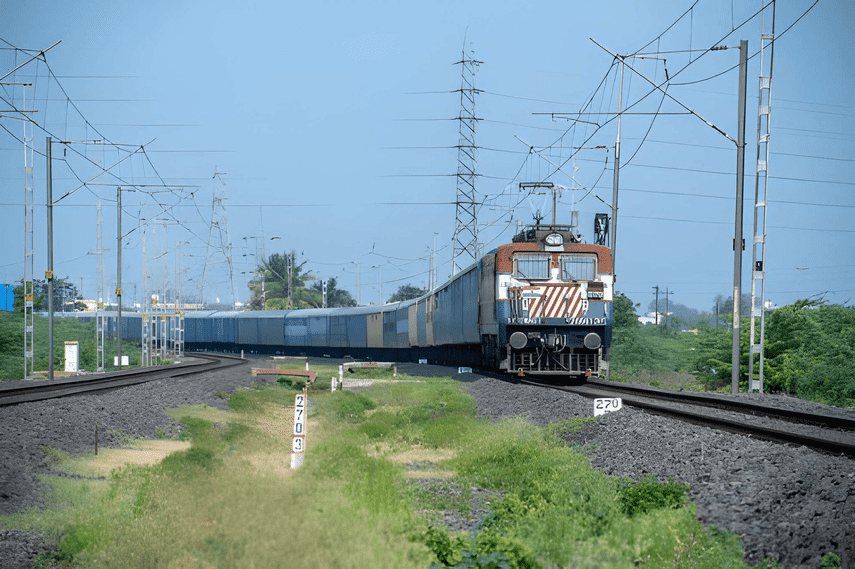
Flatbed freight shipping serves as the backbone of many industries that depend on the safe and efficient transportation of large, heavy, and oversized cargo. While enclosed trailers work well for standard freight, many sectors require specialized transportation solutions capable of handling equipment, materials, and products that exceed conventional dimensions.
From construction projects and manufacturing operations to energy infrastructure and agriculture, businesses rely on flatbed transportation to keep supply chains functioning and projects on schedule. At MB Rail, we help companies navigate complex freight requirements by providing reliable transportation solutions for oversized, heavy, and specialized cargo. Without open deck transportation, many critical materials and pieces of equipment simply could not reach their destinations efficiently.
Understanding which industries depend on flatbed freight shipping and why it remains such a vital transportation solution helps businesses make informed logistics decisions while ensuring operational continuity.
What Makes Flatbed Freight Shipping Different?
Flatbed freight shipping involves transporting cargo on trailers that do not have enclosed sides or roofs. This design allows freight to be loaded and unloaded from multiple angles, providing flexibility for oversized, heavy, and irregularly shaped cargo.
Unlike traditional dry van transportation, flatbed trailers can accommodate freight that exceeds standard dimensions or requires specialized handling equipment such as cranes and forklifts.
Key advantages include:
- Greater loading flexibility
- Accommodation of oversized freight
- Easier access for loading equipment
- Support for unique cargo dimensions
- Improved efficiency at industrial and construction sites
Because of these benefits, flatbed transportation remains essential across multiple industries.
Why Certain Industries Depend on Open Deck Transportation
Many industries work with freight that cannot fit inside traditional enclosed trailers.
Common transportation challenges include:
- Excessive height
- Irregular dimensions
- Heavy weight
- Specialized loading requirements
- Job site deliveries
Open deck transportation addresses these challenges by providing unrestricted access and flexible cargo configurations.
As industries continue to evolve, flatbed freight shipping remains one of the most practical solutions for transporting specialized cargo.
The Construction Industry Relies on Flatbed Freight Shipping
Construction projects generate significant demand for flatbed transportation.
Whether building commercial facilities, infrastructure, residential developments, or industrial complexes, construction companies regularly move large materials and equipment between suppliers, warehouses, and job sites.
Construction Equipment Shipping
Construction equipment shipping often involves transporting:
- Excavators
- Bulldozers
- Backhoes
- Loaders
- Cranes
These machines frequently exceed standard trailer dimensions and require specialized transportation solutions.
Flatbed trailers allow equipment to be loaded and unloaded efficiently while supporting direct delivery to construction sites.
Structural Building Materials
Many building materials are also transported via flatbed trailers, including:
- Steel beams
- Concrete products
- Lumber
- Roofing materials
- Prefabricated components
Without flatbed transportation, moving these materials efficiently would be significantly more difficult.
Manufacturing Depends on Heavy Machinery Transport
Manufacturing facilities frequently move large machinery and industrial equipment between plants, suppliers, and customers.
Heavy Machinery Transport for Production Facilities
Manufacturers often require transportation for:
- Production equipment
- Assembly line systems
- Industrial presses
- Fabrication machinery
- Processing equipment
Heavy machinery transport demands specialized planning due to weight, dimensions, and securement requirements.
Flatbed trailers provide the flexibility needed to safely transport these valuable assets.
Industrial Components and Equipment
Manufacturers also depend on flatbed shipping for oversized components that support production operations.
These may include:
- Tanks
- Pipes
- Industrial frames
- Mechanical assemblies
- Fabricated structures
The open deck design simplifies handling and transportation throughout the supply chain.
Energy and Utility Projects Require Specialized Freight Solutions
The energy sector depends heavily on flatbed freight shipping to move equipment and materials used in infrastructure projects.
Renewable Energy Components
Renewable energy projects often involve transportation of:
- Wind turbine components
- Solar infrastructure materials
- Energy storage systems
- Electrical equipment
Many of these components are oversized and require specialized transportation planning.
Utility Infrastructure Equipment
Utility companies regularly move:
- Transformers
- Utility poles
- Substation equipment
- Power generation components
Flatbed transportation helps ensure these critical assets reach project sites safely and efficiently.
Agriculture Relies on Flatbed Transportation
Agricultural operations depend on large equipment and specialized machinery to maintain productivity.
Agricultural Equipment Transport
Common agricultural freight includes:
- Tractors
- Harvesters
- Cultivators
- Irrigation systems
- Agricultural attachments
Many of these assets exceed standard shipping dimensions, making flatbed transportation a practical solution.
Seasonal Equipment Movement
Agricultural businesses often relocate equipment between regions and facilities throughout the year.
Open deck trailers provide the flexibility necessary to support these seasonal transportation requirements.
Infrastructure and Public Works Projects Depend on Oversized Cargo Shipping
Infrastructure projects involve large-scale transportation needs.
Government agencies, contractors, and engineering firms frequently rely on oversized cargo shipping to support construction and maintenance efforts.
Transportation of Infrastructure Materials
Projects may require movement of:
- Bridge components
- Concrete structures
- Steel supports
- Drainage systems
- Road construction materials
Flatbed trailers allow these materials to be delivered directly to active work sites.
Specialized Project Logistics
Infrastructure projects often involve complex logistics planning.
Flatbed transportation supports these efforts by providing adaptable equipment options capable of handling diverse cargo types.
Oil and Gas Operations Depend on Heavy Freight Transportation
The oil and gas industry frequently requires the transportation of large equipment and specialized materials.
Examples include:
- Drilling equipment
- Pumps
- Storage tanks
- Pipeline materials
- Processing systems
Many of these components require open deck transportation due to their size and weight.
Flatbed shipping allows energy companies to move critical equipment efficiently between facilities and project locations.
Mining Operations Require Flatbed Freight Shipping
Mining companies often operate in remote locations where transportation efficiency is essential.
Mining Equipment Transportation
Mining operations commonly move:
- Extraction equipment
- Processing machinery
- Heavy vehicles
- Structural components
- Industrial supplies
Flatbed trailers help transport these assets safely while accommodating oversized dimensions.
Remote Site Deliveries
Many mining locations present unique delivery challenges.
Flatbed transportation provides the flexibility needed to support operations in demanding environments.
Aerospace and Defense Industries Utilize Specialized Transport
Certain aerospace and defense projects require the movement of large components and specialized equipment.
Examples include:
- Aircraft components
- Manufacturing systems
- Defense equipment
- Structural assemblies
Due to the size and complexity of these assets, flatbed transportation often serves as the preferred shipping method.
Careful planning and securement help ensure safe transport throughout the supply chain.
Why Oversized Cargo Shipping Requires Expertise
Transporting oversized freight involves more than simply selecting a trailer.
Successful oversized cargo shipping requires consideration of:
- Cargo dimensions
- Weight distribution
- Route planning
- Permit requirements
- Securement procedures
Experienced logistics providers help manage these complexities while maintaining compliance and safety standards.
This expertise becomes especially important when handling large industrial freight.
How Flatbed Freight Shipping Supports Supply Chain Efficiency
Reliable transportation is essential for operational success.
Flatbed freight shipping contributes to supply chain performance by:
Reducing Transportation Delays
Efficient loading and unloading processes help minimize downtime.
Improving Job Site Deliveries
Direct access simplifies deliveries to construction and industrial locations.
Supporting Specialized Freight Needs
Flatbed equipment accommodates cargo that traditional trailers cannot transport.
Enhancing Operational Flexibility
Businesses gain access to transportation solutions tailored to unique freight requirements.
These benefits help organizations maintain productivity and meet project deadlines.
Choosing the Right Flatbed Freight Partner
The transportation provider plays a significant role in shipment success.
When selecting a logistics partner, businesses should evaluate:
Industry Experience
Experience handling similar freight improves efficiency and reduces risk.
Equipment Availability
Access to multiple trailer types supports diverse transportation requirements.
Safety Standards
Proper cargo securement and compliance practices are essential.
Communication
Shipment visibility helps improve planning and coordination.
Problem-Solving Capabilities
Complex freight often requires customized transportation strategies.
Working with an experienced provider helps ensure reliable transportation outcomes.
The Growing Importance of Flatbed Transportation
As industries continue investing in infrastructure, manufacturing, energy, and construction projects, demand for flatbed transportation remains strong.
Emerging technologies are also improving freight management through:
- Real-time tracking
- Route optimization
- Fleet visibility
- Enhanced logistics planning
These advancements help businesses manage increasingly complex transportation requirements more effectively.
Flatbed freight shipping will continue to play a central role in supporting industrial growth and economic development.
Final Thoughts
Flatbed freight shipping plays a vital role in supporting industries that depend on oversized, heavy, and specialized cargo transportation. From construction equipment shipping and heavy machinery transport to oversized cargo shipping for energy and infrastructure projects, flatbed transportation provides the flexibility and accessibility modern industries require.
As businesses continue managing increasingly complex supply chains, choosing the right transportation solution becomes more important than ever. Understanding how flatbed freight supports various industries can help organizations improve logistics efficiency, reduce transportation challenges, and keep critical operations moving forward.
Ready to streamline your freight operations? Partner with MB Rail for reliable flatbed transportation solutions tailored to your industry’s needs. Whether you are moving heavy machinery, construction equipment, or oversized cargo, our team is ready to help. Contact MB Rail today for a customized shipping quote and expert logistics support.
Frequently Asked Questions
1. What is flatbed freight shipping?
Flatbed freight shipping involves transporting cargo on open deck trailers designed to accommodate oversized, heavy, or irregularly shaped freight.
2. Which industries rely most on flatbed transportation?
Construction, manufacturing, agriculture, energy, mining, infrastructure, and utility sectors frequently depend on flatbed shipping.
3. Why is construction equipment shipping often done using flatbeds?
Construction equipment often exceeds the size limitations of enclosed trailers and requires flexible loading and unloading access.
4. What types of freight require heavy machinery transport?
Industrial equipment, manufacturing systems, agricultural machinery, and construction vehicles commonly require specialized transportation solutions.
5. Is flatbed shipping suitable for oversized cargo shipping?
Yes. Flatbed trailers are specifically designed to accommodate oversized freight that cannot fit within standard enclosed transportation equipment.
6. How do logistics providers secure freight on flatbed trailers?
Freight is typically secured using chains, straps, tarps, edge protectors, and specialized securement systems based on cargo requirements.

