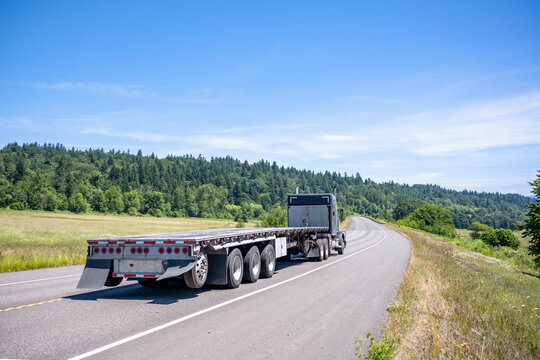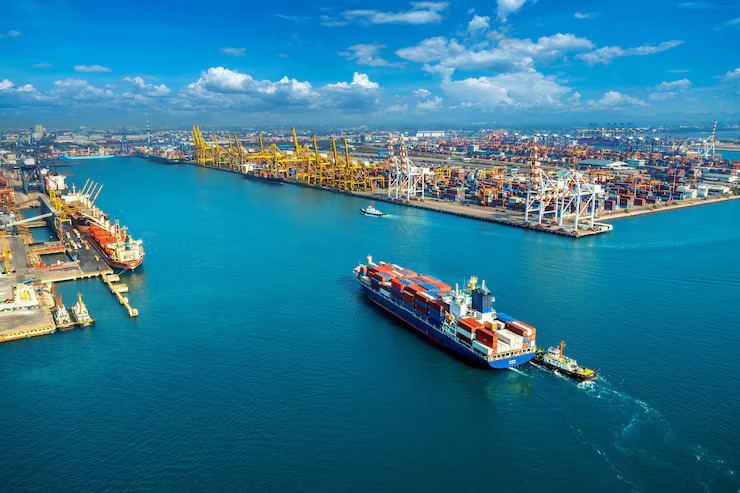

Long-haul freight decisions should be based on total delivered cost, not the transportation rate alone. In a rail vs truck freight comparison, rail often has a cost advantage over long distances and large shipment volumes, while trucks can be more economical when speed, direct service, or flexible pickup and delivery matters most. MB Rail helps shippers combine rail and truck transportation, so each mode can handle the part of the journey where it makes the most financial and operational sense.
Why the quoted freight rate does not tell the full story
A carrier quote is only one part of the transportation cost. A lower linehaul rate can lose its advantage after fuel charges; terminal handling, drayage, storage, accessorial fees, loading requirements, and delivery costs are added.
Rail and truck also have different operating characteristics. Trucks can usually move freight directly from an origin facility to a destination facility, reducing the need for transfers. Rail generally works through terminals and requires truck service for the first and final portions of many shipments. That added handling can increase cost, but rail’s lower long-distance linehaul cost can offset it.
The right comparison therefore starts with the shipment’s complete transportation path. A shipper should calculate the cost from the point where freight is loaded through final delivery rather than comparing only rail and truck linehaul rates.
How rail and truck costs are built
Truck freight pricing commonly reflects mileage, fuel costs, equipment requirements, driver availability, market conditions, tolls, and shipment characteristics. A long-distance truckload may look simple because one vehicle handles the movement, but fuel and mileage can make extended highway transportation expensive.
Rail pricing is structured differently. The cost can include rail linehaul, terminal charges, fuel-related adjustments, switching, storage, transloading, and local drayage. The exact combination depends on the origin, destination, commodity, equipment, volume, and rail network involved.
For a fair comparison, include every transportation component:
- Linehaul transportation
- Fuel and accessorial charges
- Origin and destination drayage
- Terminal, loading, unloading, or transloading costs
- Storage and handling expenses
This calculation produces a more useful landed transportation cost than simply comparing two quoted rates.
Where rail usually gains a cost advantage
Rail becomes particularly attractive as distance and shipment volume increase. A railcar can move a large quantity of freight as part of a train, making rail linehaul economics favorable for many heavy and bulk commodities.
Industries shipping grain, agricultural products, minerals, chemicals, construction materials, forest products, and other heavy freight often evaluate rail for long-distance movements. High-volume shippers may also benefit from scheduled rail programs that provide a more consistent transportation structure for recurring freight.
Fuel efficiency is another major consideration. Railroads can move substantial tonnage over long distances using less fuel per ton-mile than highway transportation. That does not automatically make every rail shipment cheaper, because terminal and drayage expenses still matter. However, the linehaul savings can become significant as mileage increases.
A shipper moving several hundred miles may find truck service competitive because the simplicity of direct delivery limits handling. A shipper moving heavy freight across a much longer lane may see a stronger financial case for rail.
Where trucks can still make more financial sense
Rail is not automatically the lower-cost option. Trucking can win when the shipment requires direct facility-to-facility movement, short transit time, frequent stops, or delivery to a location without practical rail access.
Truck transportation also avoids some of the transfer points associated with intermodal rail. Freight can be loaded once and delivered directly, reducing coordination between multiple transportation providers.
Trucks may also be preferable for shipments with irregular volumes or destinations located far from rail terminals. If a shipment requires substantial drayage at both ends, the additional truck miles can reduce or eliminate the rail savings.
Transit requirements can also affect the financial calculation. A lower transportation cost does not provide a meaningful saving if slower movement causes production interruptions, missed customer commitments, additional inventory requirements, or storage expenses.
Rail vs truck shipping costs depend on more than mileage
Distance is one of the strongest factors in transportation economics, but it should not be used by itself.
A useful cost comparison considers at least five shipment characteristics: distance, weight, volume, origin and destination access, and required delivery time.
For example, a manufacturer moving heavy raw materials over a long rail-accessible lane may find rail attractive because the freight can travel most of the distance by rail and only a short distance by truck. An agricultural shipper moving large seasonal volumes may also benefit from rail’s ability to handle significant quantities over extended distances.
By contrast, a manufacturer shipping time-sensitive finished goods directly to multiple customers may place a higher value on truck flexibility. The ability to collect freight at the plant and deliver it directly can outweigh a lower rail linehaul rate.
This is why the question is rail cheaper than truck does not have one universal answer. Rail can provide a lower total cost for the right lane, commodity, volume, and distance. Truck can provide the lower overall cost for shipments where direct access and speed have greater financial value.
Total-Cost Comparison: Rail vs. Truck
| Cost factor | Rail freight | Truck freight |
| Long-haul linehaul | Often lower for heavy, high-volume freight over long distances | Often higher as mileage and fuel consumption increase |
| Fuel expense | Generally lower per ton-mile | Generally higher per ton-mile |
| First-mile transportation | Usually requires truck drayage to a rail terminal unless rail-served | Usually included through direct pickup |
| Long-haul movement | Well suited to high-volume, heavy freight | Well suited to direct and time-sensitive shipments |
| Last-mile transportation | Usually requires truck delivery from the rail terminal | Direct delivery is often possible |
| Terminal and handling costs | May include loading, unloading, switching, storage, or transloading | Generally fewer terminal transfers |
| Transit time | Can be longer and requires route-specific planning | Often faster for direct point-to-point shipments |
| Flexibility | Best for planned, recurring, and high-volume movements | Strong flexibility for changing destinations and schedules |
| Best cost conditions | Long distances, heavy loads, consistent volumes, rail-accessible lanes | Shorter distances, urgent freight, direct delivery, limited rail access |
| Total-cost consideration | Rail savings must be weighed against drayage and handling | Higher linehaul may be offset by fewer transfers and faster delivery |
Actual costs vary by lane, commodity, shipment volume, equipment, rail access, fuel rates, terminal charges, and service requirements. The table is a general planning comparison, not a quoted rate.
The first and final miles can change the calculation
One of the most overlooked parts of a rail cost analysis is drayage.
Most facilities do not have rail service directly at the loading dock. Freight may need to move by truck from the shipper to a rail terminal, travel by rail, and then move by truck from the destination terminal to the receiver.
These truck movements are commonly called first-mile and last-mile drayage. Their cost depends on distance, equipment, fuel, terminal conditions, appointment requirements, loading and unloading times, and local market rates.
A rail route with short drayage distances can produce a strong total-cost result. A route requiring long truck movements on both ends may provide fewer savings.
This is one reason integrated rail transport service can be valuable. Coordinating rail and truck movements as one transportation plan makes it easier to assess the complete route instead of treating each segment as an unrelated expense.
Transit time has a cost too
Transportation managers should assign financial value to delivery time.
A faster truck shipment may reduce inventory held in transit, support tighter production schedules, and help avoid delays for customers. Those benefits can justify a higher freight rate.
Rail may require additional planning and can have different transit characteristics from truck service. For recurring freight, shippers should compare expected transit performance with inventory requirements and delivery commitments rather than looking only at the number of days in transit.
The calculation can include costs such as:
- Inventory carrying costs during transportation
- Production delays caused by late materials
- Customer service penalties or missed delivery windows
- Warehouse and storage requirements
- Expedited transportation needed to correct delays
A transportation mode with a higher rate can still produce a lower total supply chain cost if it prevents expensive downstream problems.
How rail and truck can work together
Many long-haul shipments do not need to be an either-or decision. A combined rail and truck model can place each mode where it has the strongest economic advantage.
Rail can handle the long-distance portion, while trucks manage pickup and final delivery. This structure gives shippers access to rail’s long-haul economics without requiring every facility to have direct rail access.
For example, a shipper located 30 miles from a rail terminal could use a truck for pickup, move the freight several hundred or thousand miles by rail, and use another truck for final delivery. The shipper gains a rail-based long-haul option while retaining the flexibility of highway transportation at each end.
This approach also makes rail freight logistic services useful for shippers that need coordination across multiple transportation stages. Instead of comparing separate quotes without considering how the pieces interact, the transportation plan can be evaluated as one movement.
A practical way to compare the two modes
Start with a specific lane rather than using general industry assumptions. Gather the shipment’s origin, destination, commodity, weight, volume, frequency, equipment needs, and required delivery window.
Then request comparable costs for both modes. A useful analysis should include the rail linehaul, truck linehaul, fuel charges, drayage, terminal handling, storage, accessorials, and other known transportation expenses.
Next, consider service-related costs. Ask how much inventory must remain in transit, how much flexibility the operation requires, and what happens financially if delivery takes longer than planned.
The comparison should answer four practical questions:
- What is the total delivered transportation cost for each option?
- What additional handling or drayage does each mode require?
- How does transit time affect inventory and operating costs?
- Can a combined rail and truck route lower the total cost?
This method gives logistics managers a lane-specific answer instead of relying on a broad assumption that one mode is always cheaper.
When a hybrid model may be the strongest choice
A combined transportation plan can be particularly useful for long-haul freight that has enough volume to benefit from rail but requires truck access at one or both ends.
MB Rail supports this type of movement by connecting rail transportation with truck service, giving shippers a way to evaluate the full route rather than selecting a mode based only on the initial linehaul price.
The value of this model is not simply having two transportation modes available. It is the ability to coordinate them around the shipment’s actual cost, distance, access, and delivery requirements.
For manufacturers, agricultural shippers, and other organizations moving heavy freight over long distances, this can create a more practical comparison. Rail handles the portion of the journey where its economics are strongest, while trucks provide the local flexibility rail cannot always provide.
Frequently Asked Questions
Is rail cheaper than truck freight?
Rail can be cheaper than truck freight for long-distance shipments involving heavy loads, large volumes, and rail-accessible origins and destinations. However, the total cost must include drayage, terminal handling, fuel charges, storage, and other accessorial costs.
What is the difference between rail and truck freight?
Rail freight moves goods primarily by train and is often suited to heavy, high-volume, long-distance shipments. Truck freight generally provides direct pickup and delivery with greater flexibility for shorter routes, time-sensitive shipments, and locations without convenient rail access.
What costs should be included when comparing rail and truck freight?
A complete comparison should include linehaul rates, fuel charges, drayage, terminal handling, loading and unloading, storage, accessorial fees, and costs associated with transit time. Looking only at the quoted linehaul rate can give an incomplete picture of the actual transportation expense.
Is rail better for long-distance freight?
Rail can be a strong choice for long-distance freight, particularly when shipments are heavy, volumes are consistent, and the origin and destination have practical rail access. Trucks may still be preferable when direct delivery, faster transit, or greater routing flexibility is required.
Can rail and truck freight be used together?
Yes. A shipment can move by truck from the origin to a rail terminal, travel the long-haul portion by rail, and then move by truck from the destination terminal to the final receiver. This combined model can reduce long-haul transportation costs while retaining truck flexibility for first- and last-mile movements.
What is first-mile and last-mile drayage in rail shipping?
First-mile drayage is the truck movement from a shipper’s facility to a rail terminal. Last-mile drayage is the truck movement from the destination rail terminal to the receiver. These costs should be included when calculating the total cost of a rail shipment.
How do I decide between rail and truck freight?
Compare the complete delivered cost for each mode using the shipment’s distance, weight, volume, rail access, delivery requirements, drayage costs, and transit-time needs. For some lanes, rail provides the lower total cost; for others, direct truck service or a combined rail-and-truck plan may be more economical.
Make the decision using total delivered cost
A good freight decision starts with the complete movement, not the cheapest looking quote. Rail can offer significant savings on long-haul, high-volume, heavy freight, but terminal access and drayage must be included in the calculation. Trucking can offer direct service and faster response, but fuel and long highway distances can increase its total cost.
The strongest option depends on the lane, freight characteristics, service requirements, and the cost of every step between origin and destination. For many shippers, the answer may be rail for the long haul, truck for local movements, and a coordinated combination of both for the complete journey.
For help evaluating your freight lane and comparing the transportation costs behind each option, Contact us today. A detailed review of your origin, destination, shipment volume, and service requirements can show where rail, truck, or a combined approach makes the most financial sense.