
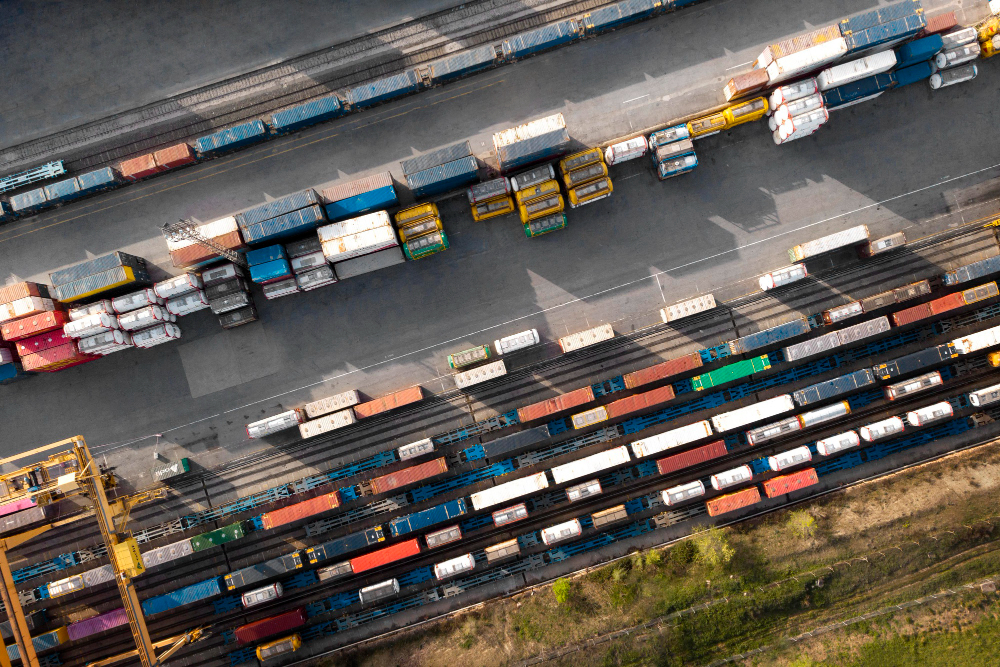
For businesses with rail-served facilities, moving freight requires more than arranging transportation. It demands industry knowledge, coordination with railroads, equipment planning, and careful management from origin to destination. This is where rail freight brokers play an important role. Unlike traditional truck brokerage, rail brokerage involves working within the rail network while ensuring that every shipment stays on schedule and meets operational requirements.
A trusted partner such as MB Rail combines brokerage expertise with real rail operations knowledge. This allows shippers to improve shipment visibility, reduce delays, and manage freight with greater confidence. Understanding how rail brokerage works can help manufacturers, agricultural businesses, chemical producers, and other bulk freight shippers choose the right logistics partner for long-term success.
What Does a Rail Freight Broker Do?
A rail freight broker acts as the connection between the shipper, rail carriers, terminals, and other transportation providers involved in moving freight. Instead of simply arranging transportation, the broker manages communication, planning, documentation, equipment coordination, and shipment tracking throughout the process.
Rail freight is more complex than booking a truck. Every shipment must align with railroad schedules, equipment availability, interchange points, and customer delivery requirements. A knowledgeable broker understands these moving parts and keeps them working together.
The goal is not only to move freight but to keep the transportation process organized, efficient, and reliable.
Why Rail Brokerage Is Different From Truck Brokerage
Many businesses assume rail brokerage operates much like truck brokerage. While both involve coordinating freight movement, the day-to-day responsibilities are very different.
Truck brokers generally arrange available trucks for shipments that move directly between pickup and delivery locations. Transit times are usually shorter, routing is more flexible, and adjustments can often be made quickly.
Rail brokerage involves additional operational planning because freight moves through a structured rail network. Shipments may pass through multiple rail carriers, terminals, switching yards, or transload facilities before reaching the destination.
Rail brokers must understand:
- Railroad operating procedures
- Railcar availability and equipment requirements
- Interchange coordination between carriers
- Loading and unloading schedules
- Rail service windows
- Shipment documentation
These additional responsibilities require experience that extends beyond standard freight brokerage.
Why Real Rail Experience Matters
Not every logistics provider understands how railroads operate.
A broker with actual rail operating knowledge understands the challenges that affect freight movement, including railcar placement, switching operations, railroad communication, service schedules, and terminal coordination.
This experience allows problems to be identified early before they affect production schedules or customer deliveries.
Working with a company like MB Rail means shippers gain access to professionals who understand both transportation planning and railroad operations. This combination helps improve communication between everyone involved in the shipment.
How Rail Brokerage Works Step by Step
Understanding the brokerage process makes it easier to see where value is created.
Shipment Assessment
The process begins by reviewing the shipment details.
The broker evaluates the freight type, weight, origin, destination, commodity requirements, equipment needs, and delivery timeline. This information determines the most suitable transportation plan.
Equipment Planning
Rail shipments depend on using the correct equipment.
Different products require different railcars, including covered hoppers, tank cars, gondolas, boxcars, or flatcars. Equipment selection directly affects safety, efficiency, and compliance.
The broker works to secure the appropriate railcars based on shipment requirements.
Route Coordination
Rail shipments often move across several railroads before reaching their destination.
The broker coordinates routing, interchange points, schedules, and communication between participating carriers to help maintain consistent freight movement.
Documentation Management
Rail transportation requires accurate documentation.
Shipping instructions, commodity information, billing records, and railroad paperwork must all be completed correctly to avoid unnecessary delays.
Experienced brokers help ensure documentation supports efficient shipment processing.
Shipment Monitoring
Once freight is moving, monitoring becomes essential.
The broker tracks shipment progress, communicates updates, responds to operational issues, and keeps customers informed until delivery is complete.
Industries That Benefit Most from Rail Brokerage
Rail transportation supports many industries that move high-volume freight over long distances.
Some of the industries that benefit most include:
- Manufacturing facilities, shipping raw materials, and finished products.
- Agricultural businesses transport grains, fertilizers, and feed.
- Chemical producers manage specialized freight requirements.
- Construction material suppliers moving aggregates and bulk products.
- Energy companies handle industrial commodities.
- Food processing facilities require dependable bulk transportation.
These industries depend on consistent freight movement because production schedules often rely on timely deliveries.
The Value of Professional Rail Freight Broker Services
Reliable rail freight broker services provide much more than transportation booking.
An experienced broker becomes an extension of the shipper’s logistics team by improving coordination, communication, and operational planning.
Some of the key advantages include:
- Better coordination between multiple transportation partners.
- Improved shipment visibility throughout transit.
- Reduced administrative workload for internal logistics teams.
- Faster communication when service issues arise.
- Better planning for recurring freight movements.
This support allows shippers to focus on production while transportation specialists manage freight movement.
How Freight Brokerage Solutions Improve Supply Chain Performance
Modern freight brokerage solutions combine operational expertise with technology to improve shipment management.
Instead of relying on manual updates, brokers often provide shipment tracking, proactive communication, scheduling support, and centralized freight coordination.
These services help businesses:
- Improve transportation planning.
- Respond faster operational changes.
- Maintain better communication with customers.
- Reduce delays caused by incomplete information.
When supported by experienced rail professionals, these solutions contribute to smoother freight operations across the supply chain.
The Role of an Intermodal Freight Broker
Not every shipment moves entirely by rail.
Some freight requires trucks to transport cargo between production facilities, rail terminals, warehouses, or customer locations. In these situations, an intermodal freight broker coordinates multiple transportation modes as one integrated shipment.
The broker manages handoffs between truck and rail providers while helping maintain schedules and shipment visibility.
Intermodal transportation offers flexibility when facilities are not directly connected to rail service or when final delivery requires trucking.
What Shippers Should Look for in a Rail Brokerage Partner
Choosing the right brokerage partner involves more than comparing transportation rates.
Businesses should evaluate experience, communication, operational knowledge, and customer support.
A dependable rail brokerage partner should offer:
- Experience working directly with railroad operations.
- Knowledge of rail equipment and commodities.
- Strong relationships across the transportation network.
- Clear communication throughout every shipment.
- Reliable shipment tracking and reporting.
- Practical solutions when operational issues arise.
These qualities help create long-term transportation partnerships rather than one-time transactions.
Rail Freight Brokers USA: Why Experience Matters Across the Network
Businesses searching for rail freight brokers USA often need more than regional transportation support. Many supply chains extend across multiple states and involve different rail carriers.
An experienced brokerage partner understands how to coordinate freight across these networks while maintaining consistent communication from pickup through final delivery.
National rail shipments require careful planning because changes at one point in the network can affect the rest of the transportation schedule. Experienced brokers anticipate these challenges and work proactively with carriers to maintain efficient freight movement.
For manufacturers, agricultural producers, and chemical companies operating across different markets, nationwide rail expertise provides greater consistency and operational confidence.
Common Challenges Rail Brokers Help Solve
Rail transportation involves many moving parts that require careful coordination.
Professional brokers regularly help customers manage challenges such as equipment shortages, scheduling changes, railroad communication, documentation issues, routing adjustments, and shipment visibility.
Rather than reacting after problems occur, experienced brokers work proactively to reduce disruptions and keep freight moving according to customer expectations.
This operational support becomes especially valuable for businesses shipping high-volume commodities on a regular basis.
Why MB Rail Offers a Different Approach
Many logistics providers arrange freight. Fewer understand railroad operations from the inside.
MB Rail combines brokerage knowledge with real operational experience, allowing customers to work with professionals who understand how rail transportation functions beyond paperwork and scheduling.
This practical knowledge supports better communication with rail carriers, stronger shipment planning, improved equipment coordination, and more informed decision-making throughout the transportation process.
For businesses that rely on dependable rail service, this operational understanding creates meaningful value throughout every shipment.
Frequently Asked Questions
What is the difference between a rail freight broker and a truck freight broker?
A rail freight broker manages freight within the railroad network, coordinates rail equipment, works with multiple rail carriers, and oversees rail-specific operations. Truck brokers primarily arrange road transportation between pickup and delivery locations.
Who should use rail brokerage services?
Manufacturers, agricultural businesses, chemical producers, construction suppliers, food processors, and other companies moving bulk freight through rail-served facilities to benefit from professional rail brokerage support.
Can rail brokerage include truck transportation?
Yes. When shipments require both rail and truck transportation, an intermodal freight broker coordinates each stage of the shipment to provide smooth movement between transportation modes.
Why is rail experience important when choosing a broker?
Rail transportation follows different operational processes than trucking. Brokers with real rail knowledge understand railroad procedures, equipment management, scheduling, and communication, helping shipments move more efficiently.
Final Thoughts
Rail transportation requires careful planning, operational knowledge, and strong coordination between multiple partners. That is why selecting the right brokerage partner is an important business decision for companies with rail-served facilities.
A brokerage team with real rail experience provides more than transportation coordination. They help improve communication, manage equipment, oversee documentation, monitor shipments, and support reliable freight movement from origin to destination. Companies such as MB Rail bring practical rail expertise that helps manufacturers, agricultural businesses, chemical producers, and other bulk freight shippers make informed transportation decisions with greater confidence.
If your business is looking for experienced rail brokerage support backed by real operational knowledge, Contact Us to learn how MB Rail can help improve your freight operations.

