Flatbed vs. Step Deck: The Main Differences
A flatbed trailer is suitable for freight that can be transported safely on a single, elevated deck, while a step deck trailer is better for taller cargo that needs additional vertical clearance. In the flatbed vs step deck comparison, the right choice depends on cargo dimensions, weight distribution, loading access, route restrictions and permit requirements. MB Rail helps shippers evaluate freight transportation needs so they can select equipment that fits their shipment and delivery requirements.
Both trailers carry construction materials, machinery, industrial components and other freight that cannot easily be loaded into an enclosed trailer. Their main difference is deck height. A step deck has a raised front section and a lower rear section, allowing taller freight to travel at a lower overall height. A flatbed has one continuous deck height, which can make loading and unloading more straightforward for certain cargo types.
What Is a Flatbed Trailer?
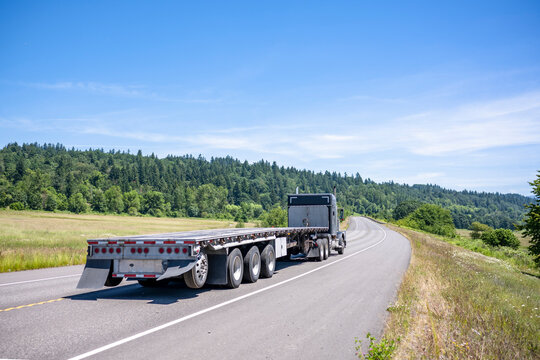
A flatbed trailer is an open-deck trailer with a level cargo platform and no fixed roof or side walls. Its open design provides access from the sides, rear and, where suitable equipment and site conditions allow, above the deck.
Flatbeds are commonly used for freight that can be secured with chains, straps, blocking, bracing or other approved cargo securement methods.
Typical flatbed freight shipping includes:
- Steel beams, pipes and structural components
- Lumber, building materials and roofing supplies
- Palletized industrial goods
- Agricultural equipment and machinery
- Construction materials and fabricated metal products
Flatbed trailer dimensions
A standard flatbed trailer is commonly around 48 to 53 feet long and approximately 8 feet wide, with deck height often around 5 feet above the road. Actual measurements vary by trailer model, suspension, tire size and configuration.
These figures are general reference points, not guaranteed specifications. Shippers should confirm the usable deck length, width, height and rated capacity of the assigned trailer before loading.
Flatbeds work well for cargo that fits within the available loading area and can travel at the resulting overall height without violating applicable restrictions. Freight dimensions must include any packaging, protective materials, projections and securing equipment that affect the loaded shipment.
What Is a Step Deck Trailer?
A step deck trailer, also called a drop deck trailer, has two deck levels. The upper deck sits near the tractor, while the lower deck extends behind it and sits closer to the road.
This design provides extra vertical clearance for taller cargo without necessarily requiring a specialized lowboy or other heavy-haul trailer.
Step deck trailers are often used for:
- Tall industrial machinery
- Construction equipment
- Agricultural machinery
- Large manufacturing components
- Equipment that exceeds practical height limits on a standard flatbed
Step deck trailer dimensions
A typical step deck trailer may measure around 48 to 53 feet in overall deck length, with a lower deck height often around 36 to 42 inches above the road. The upper deck is higher, and the available length on each level depends on the trailer configuration.
The lower deck offers more vertical space for cargo placed on that section. However, the usable height depends on the trailer’s actual deck measurement, tire and suspension setup, cargo placement, route clearances and applicable legal limits.
Before booking a step deck, confirm the length of both deck sections, usable width, lower deck height, weight rating and permitted loading configuration.
Flatbed vs. Step Deck: A Side-by-Side Comparison
The differences become clearer when trailer dimensions, cargo characteristics and operating requirements are considered together.
| Comparison factor | Flatbed trailer | Step deck trailer |
|---|---|---|
| Deck design | One continuous, level deck | Raised front deck and lower rear deck |
| Typical deck height | Around 5 feet | Lower deck often around 36 to 42 inches |
| Vertical cargo clearance | Less clearance for tall freight | More clearance on the lower deck |
| Common freight | Steel, lumber, building materials and machinery | Taller machinery, construction equipment and industrial components |
| Loading access | Open access around the level deck | Open access with two deck heights to consider |
| Cargo placement | Freight generally sits on one deck level | Cargo placement depends on the upper or lower deck |
| Height-sensitive routes | May be unsuitable for tall loads | Can help keep the overall load lower |
| Equipment cost | Depends on market, distance and shipment details | May cost more in some circumstances, but pricing varies |
| Main consideration | Cargo fit, securement and legal dimensions | Lower-deck fit, weight distribution and overall clearance |
The measurements in this table are typical examples, not universal specifications. Trailer selection should be based on the actual equipment assigned to the shipment and the loaded dimensions.
How Deck Height Affects Freight Clearance
Deck height is often the deciding factor in the flatbed vs step deck decision. The lower the deck, the more vertical space remains for cargo before the shipment reaches a height restriction.
For example, imagine a machine that measures 9 feet tall when placed upright. If the flatbed deck is 5 feet above the road, the approximate loaded height would be 14 feet before accounting for any additional packaging, supports or projections. Placing the same machine on a lower deck that sits 3.5 feet above the road would result in an approximate loaded height of 12.5 feet.
These examples illustrate the effect of deck height, not a guarantee that the shipment is legal. Actual cargo orientation, trailer geometry and route requirements must be checked.
A lower deck can help with low clearance freight, particularly equipment moving beneath bridges, overpasses, utility structures or other height-restricted areas. The shipper and carrier must verify the complete loaded height against the planned route, including any temporary restrictions.
A step deck does not automatically make an oversized shipment legal. Height, width, length and weight limits vary by jurisdiction, and an oversize or overweight permit may still be required.
Which Trailer Fits Your Cargo Dimensions?
The freight’s measured dimensions should guide the equipment decision. Cargo height alone is not enough; length, width, weight and center of gravity also affect safe transportation.
Choose a flatbed for suitable standard-height freight
A flatbed is often a practical choice when:
- The freight fits within the available deck dimensions.
- The loaded height remains within applicable limits.
- Cargo can be secured safely on a single level.
- The loading site has suitable access for forklifts, cranes or other handling equipment.
- The shipment does not require a specialized trailer configuration.
Long steel products, bundled lumber and many construction materials can suit a flatbed when their dimensions, weight and securement requirements align with the equipment.
Choose a step deck for taller freight
A step deck may be preferable when:
- Cargo height makes a standard flatbed impractical.
- Equipment can sit securely on the lower deck.
- The shipment needs additional overhead clearance.
- Cargo dimensions and weight distribution fit the trailer’s specifications.
- Route restrictions make a lower loaded height beneficial.
Heavy equipment transportation often involves machinery with elevated frames, cabs, attachments or other tall features. A step deck may provide useful clearance, but machines with excessive weight, concentrated axle loads or unusual dimensions may need a different trailer type.
Loading Requirements and Cargo Securement
Trailer selection also depends on how freight will be loaded, positioned and secured at the origin and destination.
Flatbeds offer a single deck height, which can simplify positioning for some shipments. Step decks have two loading levels, so the shipper must confirm that the cargo fits the intended section and that handling equipment can reach it safely.
Before dispatch, review these requirements:
- Loading method: Confirm if a crane, forklift, loading ramp or other equipment is required. Check site access and available working space.
- Cargo dimensions: Measure the shipment at its widest, tallest and longest points, including attachments and packaging.
- Weight distribution: Verify total weight, axle loading and the cargo’s center of gravity against the trailer’s rated capacity.
- Securement plan: Identify suitable chains, straps, edge protection, blocking and bracing based on the freight and applicable rules.
- Unloading conditions: Make sure the receiving site can remove the cargo safely from the selected deck height and configuration.
Properly securing freight helps prevent cargo movement during transit and supports compliance with applicable transportation regulations. Shippers can review flatbed load requirements for more information on load securement and permit rules.
Flatbed load requirements and step deck load requirements should be checked against applicable cargo securement regulations, including relevant provisions of the Federal Motor Carrier Safety Administration (FMCSA). The correct number and rating of tie-downs depend on the cargo and its characteristics, not simply the trailer type.
Route Planning for Oversized and Height-Sensitive Loads
An oversized load trailer must be selected according to both the freight and the route. A trailer that fits the cargo at the loading site may still be unsuitable for the planned journey because of bridge clearances, road restrictions, construction zones, weight limits or turning constraints.
For freight that exceeds ordinary legal limits, carriers may need oversize or overweight permits, approved routes, escort vehicles or specific travel arrangements. Requirements depend on the states and local jurisdictions involved.
Before the shipment moves, the carrier should verify:
- Total loaded height, width and length
- Gross vehicle weight and axle weights
- Bridge and overhead clearances
- Road restrictions and turning requirements
- Applicable permits and escort requirements
- Loading and unloading access at both locations
A step deck can reduce the loaded height for suitable cargo, but it does not eliminate route planning. For very tall, heavy or concentrated loads, a lowboy, removable gooseneck or another specialized trailer may be more appropriate.
Understanding Open Deck Trailer Types
Flatbeds and step decks are two common open deck trailer types, but they are not the only options for commercial and heavy freight.
- Flatbed: Best suited to cargo that fits a single-level deck and can be secured within the applicable legal limits.
- Step deck: Useful for taller cargo that benefits from a lower rear deck.
- Double drop or lowboy: Designed with a deeper lowered section for certain tall or heavy equipment.
- Extendable flatbed or step deck: Used for suitable long freight when the cargo exceeds a standard trailer’s available length and all applicable requirements can be met.
Each configuration has specific capacity, loading and route constraints. Selecting specialized equipment based only on cargo height can lead to problems if the load’s weight, length or axle distribution is not compatible with the trailer.
For shippers comparing step deck vs flatbed options, the goal is to select the simplest suitable trailer that meets the freight’s physical, legal and operational requirements.
What Determines the Cost of Each Trailer?
A step deck is not always more expensive than a flatbed, and a flatbed is not always the lower-cost option. Freight rates depend on the shipment’s full requirements and current carrier availability.
Factors that affect pricing include:
- Shipment weight and dimensions
- Origin, destination and total distance
- Trailer availability and equipment specifications
- Loading, unloading and handling requirements
- Permits, escorts and route restrictions
- Special securement needs
- Deadhead mileage and scheduling requirements
Using a flatbed for cargo that exceeds safe or legal height limits can create delays and additional costs. A step deck may reduce height-related complications, but it still needs to match the shipment’s other requirements. Comparing quotes on the same cargo specifications and service expectations gives shippers a more useful cost comparison.
MB Rail can help businesses assess freight transportation needs and coordinate equipment options based on shipment dimensions, cargo type and delivery requirements.
How to Choose the Right Trailer for Your Shipment
Use this checklist before confirming a trailer:
- Measure the cargo’s length, width and height, including attachments and packaging.
- Confirm the shipment’s weight, center of gravity and any concentrated loading points.
- Compare the loaded height on a flatbed with the loaded height on the lower deck of a step deck.
- Check the trailer’s usable dimensions and rated capacity.
- Review loading and unloading equipment at both facilities.
- Verify route restrictions, permits and cargo securement requirements.
- Compare carrier quotes using the same shipment details and delivery expectations.
If neither option can carry the freight within the required dimensions and weight limits, ask the carrier to assess a specialized trailer. This is especially relevant for unusually tall machinery, heavy construction equipment and long industrial components.
Frequently Asked Questions
Is a step deck better than a flatbed for heavy equipment?
A step deck can be better for tall equipment because its lower rear deck provides additional vertical clearance. However, the right trailer depends on the machine’s weight, dimensions, axle loading and loading method. Very heavy or unusually tall equipment may require a lowboy or another specialized trailer.
What is the main difference between a flatbed and a step deck?
A flatbed has one continuous deck height, while a step deck has a raised front deck and a lower rear deck. The lower section allows suitable tall freight to travel at a reduced overall height.
How tall is a standard flatbed trailer?
A typical flatbed deck sits around 5 feet above the road, although actual height varies by trailer configuration. Shippers should confirm the assigned trailer’s specifications before calculating the loaded height.
How much lower is a step deck trailer?
The lower deck of a typical step deck trailer may sit around 36 to 42 inches above the road. Exact measurements vary, so confirm the trailer’s actual deck height and usable dimensions with the carrier.
Can a step deck carry oversized loads?
Yes, a step deck can carry certain oversized loads if the cargo fits the trailer’s capacity and configuration and all applicable transport requirements are met. Oversize permits, route approvals or escorts may be necessary. Some loads require specialized heavy-haul equipment.
Is a step deck more expensive than a flatbed?
Not always. Pricing depends on distance, cargo dimensions and weight, trailer availability, loading needs, permits and route requirements. Request comparable quotes using the same shipment specifications to assess the difference.
How do I calculate the total loaded height?
Add the trailer’s deck height to the cargo height measured from the surface supporting it. Include any additional height created by supports, packaging or projections. For a step deck, use the height of the deck section carrying the freight. Confirm the final measurement with the carrier before dispatch.
Choose Equipment That Fits Your Freight
The right trailer should accommodate the cargo safely, meet applicable transport requirements and suit the loading facilities and planned route. A flatbed is often appropriate for freight that fits a single-level deck, while a step deck can offer an advantage for taller cargo that needs additional vertical clearance. Unusually heavy or oversized shipments may require specialized equipment.
Accurate measurements and early coordination help prevent loading problems, route delays and unexpected transport costs. Share your cargo dimensions, weight, pickup and delivery locations, and handling requirements with MB Rail to review suitable freight transportation options. Include a request a quote step in your shipping plan so the equipment and expected costs can be evaluated before dispatch.