Moving freight across long inland distances can quickly increase transportation expenses. Many shippers are looking for practical ways to control costs without slowing deliveries. One proven solution is rail to truck transloading, which combines the cost advantages of rail with the flexibility of trucks. This approach helps businesses move bulk or containerized freight more efficiently while keeping transportation budgets under control.
If your business ships raw materials, agricultural products, construction materials, chemicals, or containerized cargo, rail transloading can provide a reliable way to improve freight movement. Companies such as MB Rail help businesses connect rail networks with local truck delivery, making inland transportation simpler and more cost effective.
What Is Rail to Truck Transloading?
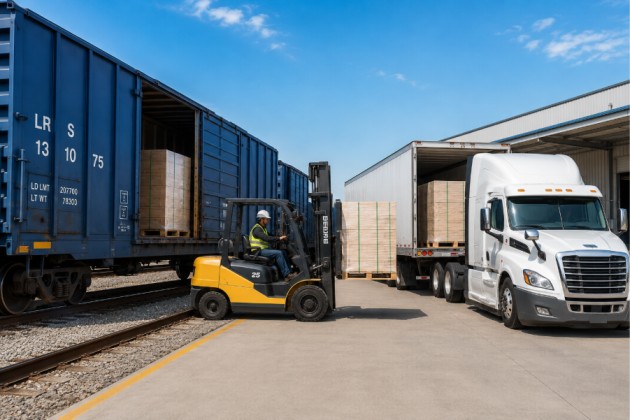
Rail to truck transloading is the process of transferring freight from a railcar directly into trucks for the final stage of delivery. Instead of relying on trucks for an entire long-distance shipment, cargo travels the longest portion of the journey by rail before being transferred to trucks closer to its destination.
This transportation method combines the strengths of two different shipping modes. Rail efficiently handles long-distance freight movement, while trucks provide direct access to warehouses, manufacturing facilities, retail locations, and construction sites that may not have rail access.
The process allows businesses to reduce transportation costs while maintaining flexible delivery schedules.
How Rail to Truck Transloading Works
Understanding the process makes it easier to determine if this shipping method fits your supply chain.
Step 1: Freight Travels by Rail
Products are loaded into railcars at the origin point. Rail is ideal for transporting large shipment volumes over long distances because it offers lower transportation costs per ton compared to long-haul trucking.
Depending on the cargo, freight may move in covered hoppers, boxcars, gondolas, tank cars, or intermodal containers.
Step 2: Arrival at a Transloading Facility
Once the rail shipment reaches a transloading location, trained personnel prepare the freight for unloading. Modern facilities use specialized equipment designed for different cargo types to ensure safe handling.
Many businesses rely on professional rail transloading services because these facilities have experienced teams, proper equipment, and established safety procedures that help reduce delays and cargo damage.
Step 3: Freight Is Transferred to Trucks
The cargo is carefully unloaded from railcars and loaded into trucks suited for the final delivery route.
This rail to truck freight transfer allows shipments to continue toward locations that are not directly connected to railway lines.
The transfer process is planned to minimize handling time while maintaining cargo integrity.
Step 4: Final Delivery
After loading, trucks transport the freight to warehouses, factories, distributors, retail locations, or customer sites.
This final trucking stage provides the flexibility required for local and regional deliveries while keeping the expensive long-distance portion of transportation on rail.
Why Businesses Choose Rail to Truck Transloading
Companies across many industries use transloading because it balances transportation costs with delivery flexibility.
Some of the biggest advantages include:
- Lower long-distance transportation expenses.
- Access to locations without direct rail connections.
- Better use of truck capacity for regional deliveries.
These benefits help businesses maintain efficient freight movement without relying entirely on one transportation method.
When Rail to Truck Transloading Saves Money
Not every shipment requires transloading. However, several situations make it an excellent financial choice.
Long Distance Freight Movement
Rail becomes increasingly economical as shipping distances increase. Instead of sending trucks across hundreds or thousands of miles, freight can move by rail for most of the journey.
Only the final local delivery requires trucking, reducing fuel consumption, driver hours, and overall transportation costs.
For businesses shipping freight regularly over long distances, the savings can become significant throughout the year.
Large Shipment Volumes
Railcars can carry much larger cargo volumes than individual trucks. Businesses shipping bulk materials or multiple containers often benefit from consolidating freight into rail shipments.
After reaching the destination region, cargo can be divided into multiple truck deliveries based on customer requirements.
This approach supports efficient inventory distribution without paying for multiple long-haul truck trips.
Limited Rail Access at Final Destinations
Many warehouses, manufacturing plants, and distribution centers are not located directly beside railway lines.
Instead of building expensive rail infrastructure, businesses can use a nearby transloading facility. Trucks complete the final miles while rail handles the longer transportation segment.
This creates greater flexibility without requiring changes to existing facilities.
Seasonal Shipping Demands
Certain industries experience busy shipping seasons that create higher trucking demand.
Examples include:
- Agricultural harvest periods.
- Construction of material distribution.
- Holiday inventory replenishment.
During these periods, rail transportation can help reduce dependence on long-distance trucking while maintaining product flow.
Industries That Benefit from Rail Transloading
Many industries regularly use rail transloading because of the large volumes they transport.
Agriculture
Grain, fertilizer, animal feed, and other agricultural products more efficiently by rail before local truck delivery to farms, storage facilities, or processing plants.
Construction
Construction companies frequently transport cement, aggregates, steel products, lumber, and heavy building materials using rail before delivering them to individual job sites.
Manufacturing
Manufacturers receive raw materials through rail and use trucks for final delivery to production facilities that are not directly connected to rail networks.
Chemicals
Chemical shipments often require specialized handling throughout transportation. Professional rail car transloading service providers use equipment designed to safely transfer these materials while following industry regulations.
Retail and Consumer Goods
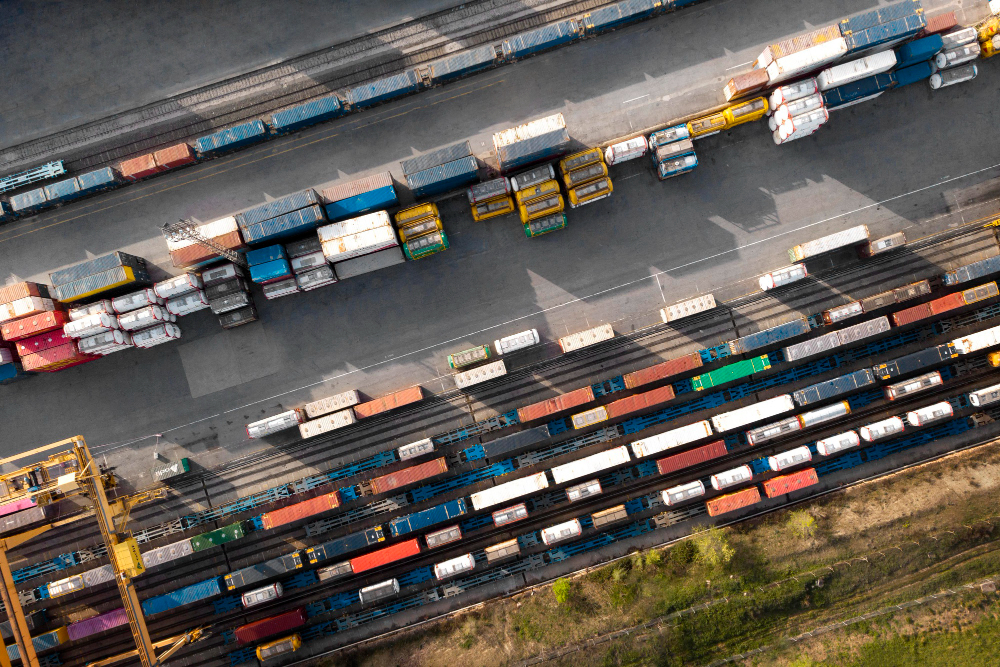
Containerized imports arriving through ports often move inland by rail before being transferred onto trucks for regional distribution centers and retail warehouses.
The Role of Transload Warehouse Solutions
Some shipments require temporary storage before final delivery.
This is where transload warehouse solutions become valuable.
Warehousing within a transloading facility allows businesses to hold inventory for short periods while coordinating deliveries based on customer demand. This reduces congestion at receiving locations and provides greater flexibility for inventory planning.
Warehouse services may also include:
- Short-term storage.
- Inventory management.
- Cross-docking operations.
These added services help businesses organize freight movement without creating unnecessary transportation delays.
Factors That Influence Cost Savings
Several factors determine how much money a company can save through rail transloading.
Shipping Distance
Longer transportation routes generally provide greater opportunities for savings because rail becomes more economical over extended distances.
Freight Volume
Higher shipment volumes improve transportation efficiency since larger quantities can be consolidated into fewer railcars.
Fuel Prices
When diesel prices increase, long-haul trucking costs typically rise as well. Rail transportation often provides more predictable transportation expenses during changing fuel markets.
Delivery Frequency
Businesses with regular shipping schedules often benefit from consistent rail movements that support ongoing inventory replenishment.
Facility Location
Choosing a transloading facility located near final delivery destinations reduces local trucking mileage, helping lower transportation costs further.
How to Choose the Right Rail Transloading Partner
The quality of your logistics partner directly affects transportation performance.
When evaluating providers, consider several important factors.
Experience with Your Cargo
Different products require different handling methods. A provider familiar with your specific freight type is better equipped to maintain safe and efficient operations.
Modern Equipment
Reliable cranes, conveyors, forklifts, pumps, and loading systems help improve transfer efficiency while reducing cargo handling risks.
Strategic Location
Facilities positioned close to major rail lines and highway networks simplify the movement between transportation modes.
Safety Standards
Strong safety procedures help protect employees, equipment, and freight throughout the transloading process.
Additional Logistics Services
Some providers offer warehousing, inventory management, scheduling support, and freight coordination alongside transloading operations, creating a more complete logistics solution.
Common Misconceptions About Rail Transloading
Some businesses hesitate to use transloading because of outdated assumptions.
One common misconception is that transferring freight between transportation modes creates excessive delays. In reality, experienced providers use organized scheduling and efficient equipment to keep freight moving on time.
Another misconception is that transloading only benefits very large corporations. Businesses of many sizes can benefit when shipping bulk materials or containerized freight over long inland distances.
Some also believe cargo handling automatically increases damage risk. Professional facilities follow established procedures and use specialized equipment designed to protect freight throughout the transfer process.
Is Rail Truck Transloading Right for Your Business?
Businesses should evaluate several questions before deciding.
- Do you regularly move freight across long inland distances?
- Are transportation costs affecting your logistics budget?
- Do your delivery locations lack direct rail access?
- Do you ship bulk commodities or large container volumes?
If the answer to several of these questions is yes, rail transloading may improve both transportation efficiency and operating costs.
Working with experienced logistics providers allows businesses to evaluate shipping routes and identify the most economical transportation strategy.
Final Thoughts
Rail transportation remains one of the most economical ways to move large freight volumes over long distances, while trucks provide the flexibility required for final delivery. Combining both methods through rail transloading creates an efficient transportation solution that helps businesses reduce long-haul trucking expenses, improve freight movement, and reach locations beyond the rail network.
For shippers moving bulk materials or containerized freight inland, this approach can make a measurable difference in transportation performance and operating costs. Experienced providers such as MB Rail help businesses coordinate reliable transfers, efficient warehouse support, and dependable delivery planning. If you are looking for a practical way to improve your freight strategy, Contact Us to learn how rail transloading can support your shipping operations.
Frequently Asked Questions
- Is transloading suitable only for bulk freight?
No. While bulk commodities are common, many businesses also use this method for palletized goods, packaged products, steel, lumber, machinery, and intermodal containers.
- How long does the transfer process usually take?
Transfer times depend on shipment size, product type, equipment availability, and scheduling. Well-managed facilities aim to complete transfers efficiently to minimize delays.
- Does every shipment require warehouse storage?
No. Many shipments move directly from railcars to waiting for trucks. Storage is used only when delivery schedules require temporary holding.
- Can small businesses use transloading?
Yes. Smaller companies shipping regular freight over long inland distances can also benefit, particularly when transportation costs are a significant part of their operating expenses.
- Is cargo protected during transfer?
Professional facilities use trained personnel, specialized equipment, and established handling procedures to help keep freight secure throughout the transfer process.