
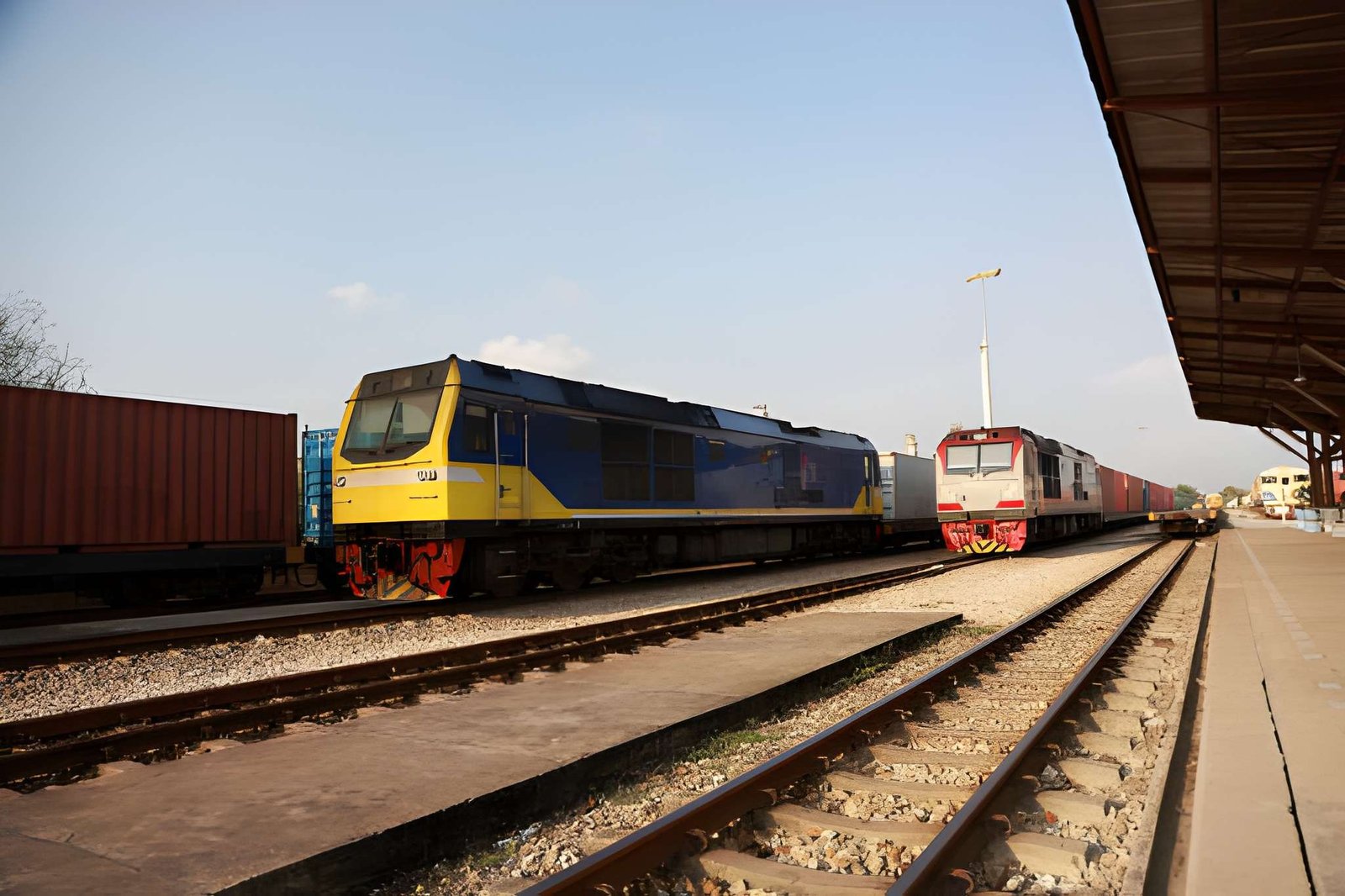
Transloading logistics has become a practical solution for businesses that need flexibility in freight movement. However, many logistics planners still struggle to decide whether transloading or direct shipping better fits their supply chain goals. The answer is not always simple. It depends on cost, distance, infrastructure, and operational priorities.
At MB Rail, both methods are analyzed through a practical, operations-first lens to help businesses make informed decisions that align with their logistics strategy.
What Is Transloading Logistics?
Transloading logistics refers to the process of transferring goods from one mode of transportation to another during shipping. For example, cargo may move from rail to truck or from ship to rail before reaching its final destination.
This method is commonly used in intermodal shipping, where multiple transport modes are combined to improve efficiency.
For example, bulk goods may travel long distances by rail and then be transferred to trucks for last-mile delivery. This approach allows businesses to leverage the strengths of each transport mode.
What Is Direct Shipping?
Direct shipping involves moving goods from the origin to the destination using a single mode of transport without intermediate transfers.
It is often preferred for simplicity. There are fewer handling points, which can reduce the risk of damage and delays. However, direct shipping may not always be the most cost-effective or scalable option.
Transloading Logistics vs Direct Shipping: Key Differences
Cost Efficiency
Transloading logistics often reduces transportation costs, especially for long-distance freight. Rail transport is typically more cost-effective than trucking for bulk shipments. By combining rail transloading with trucking, businesses can lower overall expenses.
Direct shipping may appear cheaper initially, but costs can rise for long hauls or complex routes.
Flexibility
Our US Transloading Services provides greater flexibility to businesses can adjust routes, switch carriers, and respond to supply chain disruptions more easily.
Direct shipping offers limited flexibility because it relies on a single mode and route.
Speed and Transit Time
Direct shipping is usually faster for short distances because there are no transfer points.
However, for long-distance freight, transloading logistics can compete in speed while offering better cost control. Rail networks can move large volumes efficiently over long distances.
Risk and Handling
Every transfer in transloading logistics introduces handling risks. Proper planning and professional container transloading services help minimize this risk.
Direct shipping reduces handling points, which can lower the chance of damage.
Scalability
Transloading logistics supports scaling operations. Businesses can move larger volumes using rail and then distribute goods through trucks.
Direct shipping may struggle with scalability, especially during peak demand.
When Transloading Logistics Makes More Sense
Long-Distance Freight Movement
If your freight travels across regions or countries, transloading logistics can reduce costs significantly. Rail transport is more efficient for long distances compared to trucking.
Bulk Cargo Handling
Industries dealing with large quantities of goods benefit from rail transloading. Bulk cargo, such as raw materials or agricultural products, can be moved efficiently.
Supply Chain Optimization
Transloading logistics allows businesses to optimize routes and reduce bottlenecks. It supports better inventory planning and distribution.
For example, companies can store goods temporarily at transloading facilities and distribute them based on demand.
Access to Limited Infrastructure
Not all locations are directly connected by rail or ports. Transloading bridges this gap by connecting different transport modes.
When Direct Shipping Is the Better Option
Short-Distance Deliveries
For local or regional deliveries, direct shipping is often faster and simpler.
Time-Sensitive Shipments
If speed is critical, avoiding transfer points can reduce delays.
Fragile or High-Value Goods
Minimizing handling reduces the risk of damage, making direct shipping more suitable for sensitive cargo.
How Transloading Logistics Improves Supply Chain Performance
Better Cost Control
By combining rail and trucking, businesses can reduce fuel costs and improve logistics cost reduction strategies.
Increased Network Reach
Transloading expands access to multiple transport networks. This improves delivery coverage without relying on a single mode.
Improved Freight Consolidation
Businesses can consolidate shipments at transloading facilities. This reduces empty miles and improves load efficiency.
Enhanced Resilience
Supply chains face disruptions from weather, fuel costs, and capacity issues. Transloading logistics provides alternative routes and flexibility.
Best Practices for Choosing Between Transloading and Direct Shipping
Evaluate Total Cost, Not Just Freight Rates
Consider fuel, handling, storage, and operational costs.
Analyze Delivery Timelines
Match your shipping method with customer expectations.
Assess Infrastructure Availability
Check rail access, warehouse availability, and transport connectivity.
Work with Experienced Logistics Providers
Professional providers ensure smooth freight transfer logistics and minimize risks.
Common Mistakes to Avoid
Ignoring Hidden Costs
Transloading logistics may involve handling fees, but it can still be more economical overall.
Overlooking Flexibility Needs
Rigid shipping strategies can lead to delays and inefficiencies.
Choosing Based on Habit
Many businesses stick to direct shipping without evaluating better alternatives.
Final Thoughts
Choosing between transloading logistics and direct shipping is not about picking one over the other. It is about aligning your logistics strategy with your business goals.
Transloading logistics offers flexibility, cost efficiency, and scalability. It is ideal for long-distance freight and complex supply chains. Direct shipping, on the other hand, provides simplicity and speed for shorter routes and sensitive shipments.
For businesses aiming to improve supply chain optimization, a hybrid approach often works best. By combining both methods strategically, you can reduce costs, improve efficiency, and build a resilient logistics network.
If you are looking to enhance your freight operations, MB Rail can help you implement the right transloading logistics strategy with reliable rail freight logistics services tailored to your business needs.
Get in touch with MB Rail today to discuss your freight requirements, request a customized logistics plan, or speak with a specialist who can optimize your supply chain for better performance and cost control.
Frequently Asked Questions
1. What is transloading logistics in simple terms?
Transloading logistics is the process of transferring goods between different transportation modes during shipping.
2. Is transloading cheaper than direct shipping?
It can be cheaper for long-distance and bulk shipments because rail transport reduces costs.
3. Does transloading increase delivery time?
It may add handling time, but for long distances, it often balances out with cost savings.
4. What industries benefit most from transloading?
Industries like agriculture, manufacturing, and construction benefit from bulk cargo handling and intermodal shipping.
5. How do I know which option is right for my business?
Evaluate your shipping distance, budget, cargo type, and delivery timelines.

